Nephrology
Medical Specialties
Medical Specialties
Kidneys fail in Africa for familiar reasons: hypertension, diabetes, nephrotic syndrome, and obstructive uropathy. We also see a significant amount of HIV-associated nephropathy, and surprising numbers of lupus nephritis. The majority of patients are managed without kidney biopsy. Specialist knowledge and discernment of risks vs benefits in this context are what we can offer our patients. Urologic interventions are currently limited, and provided by general surgery.
We have a small dialysis unit, recently opened and managed by Africa Healthcare Network, which we hope will expand significantly in the future. We care for some local patients who attend for chronic twice weekly haemodialysis, as well as inpatients who require dialysis for acute kidney injury. Patients on steroids and other immunosuppression, as well as those with advanced/progressive CKD, are followed in our weekly clinic.
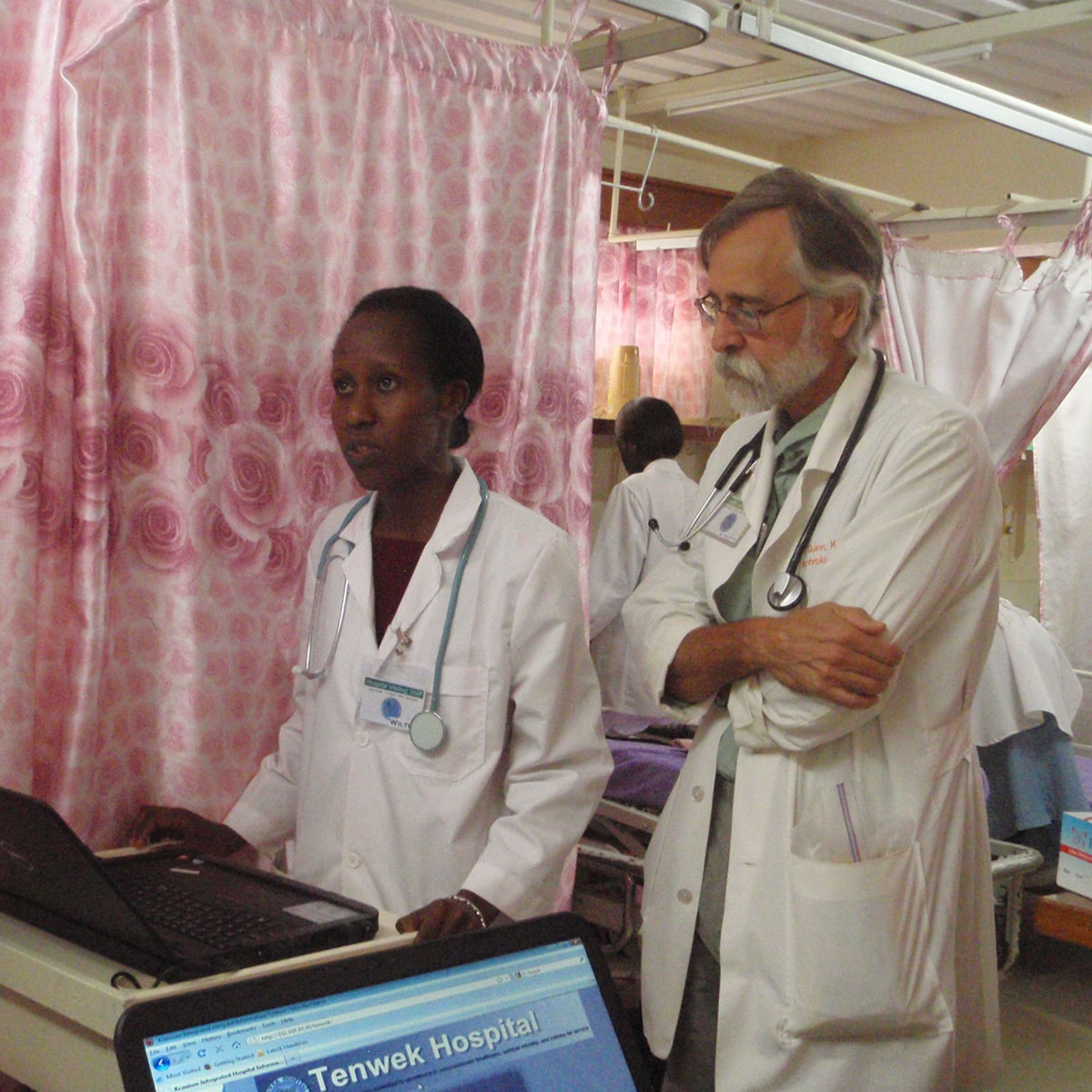
As a nephrologist you are comfortable with the inpatient care of sick adult patients, and this will be the backbone of your service at Tenwek. Tenwek is a teaching hospital, and ward rounds with the Kenyan Medical Officer and Clinical Officer trainees will be a daily opportunity to share your knowledge and multiply the impact of your skill as a clinician. Your interns will take first call and you can expect to provide night coverage as a consultant every third or fourth night during your visit. There is a sizable outpatient clinic held on Mondays, and your consultative skills will find application there as well.
In the States, we are taught not to impose our own value system on our patients. Too often this is accomplished through spiritual silence. At Tenwek you will hear the nursing service sing a hymn in the morning, you will pray at the bedside for the outcome of your patients, you will grow in your walk with the Lord.
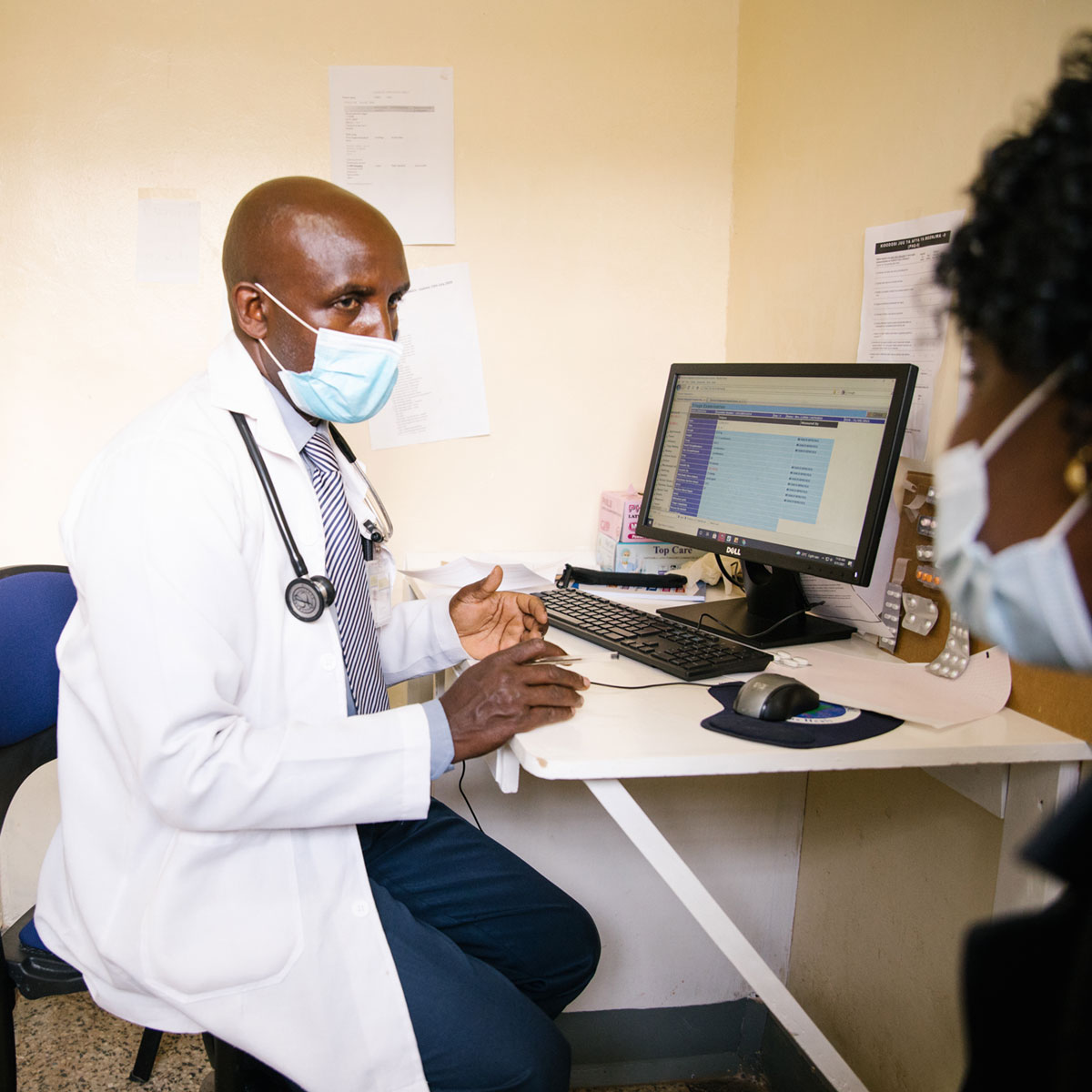
The Kenyan national health service does not currently fund the program to KDOQI standards of adequacy, but the availability of even limited treatment represents hope for end stage patients. The challenges are many. Most of the long-term hospital staff are generalists, skilled in the medicine of limited resources but unfamiliar with the unique problems of ESRD patients in the context of dialysis. Training and teaching represent a major opportunity. Too many patients have catheters, and access-related complications abound. How will we sort all of this out? Proverbs 3:5-6. Trust in the Lord with all your heart…
Learn more about visiting us and the Hospital
